About APSS
Medicines for Africa works to protect patients from medication-related harm and enable safe access to treatment and care.
Why MFA created APSS
The Africa Patient Safety Summit is a Medicines for Africa (MFA) initiative created to put patient safety at the centre of Africa’s medicines and health systems.
For too long, patient safety has remained an implicit rather than explicit priority within these systems. Pharmacovigilance has provided an essential foundation for identifying safety problems, but information about adverse events has too often remained within administrative and regulatory processes, rather than consistently informing changes in care that prevent harm.
The Summit was designed to bring together the institutions with the authority, expertise and lived experience needed to change this.


Connecting institutions. Preventing harm.
The purpose of the Africa Patient Safety Summit is to bring together the institutions that have the power to improve patient safety across Africa—and to turn shared concern into coordinated action. Every institution has a part to play, but someone has to connect those parts.
Our role at Medicines for Africa is to make sure that evidence, regulation, clinical practice, industry, patients and policy come together around one question:
Are we actually preventing harm?
The 2026 Leadership Forum defined shared priorities for preventing medication-related harm across Africa. Medicines for Africa is now taking these priorities forward through the development of practical projects and the Africa Patient Safety Compact—connecting institutions, patient experience and evidence to support action and learning.
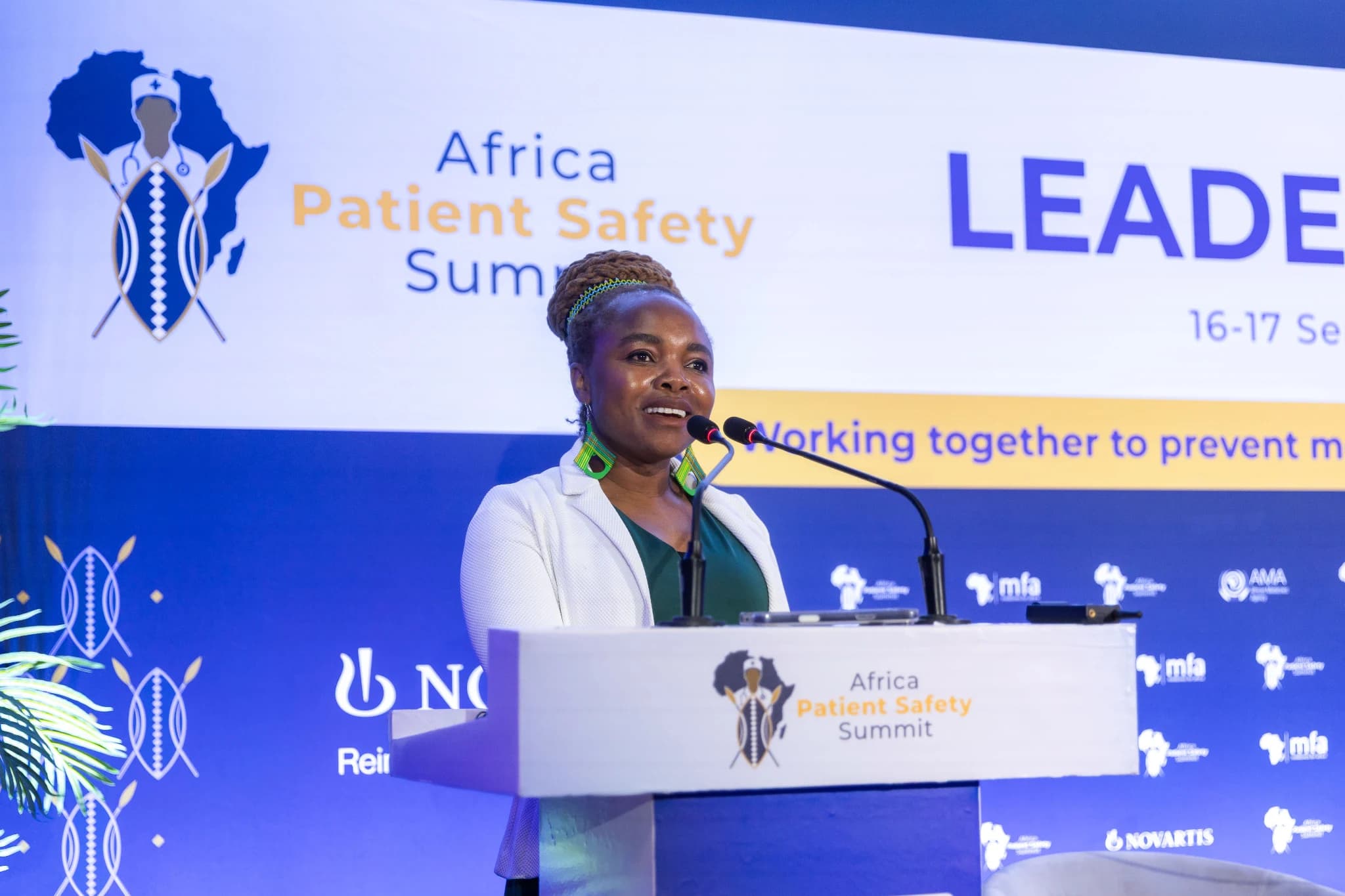
The inaugural APSS Leadership Forum was held in partnership with the African Medicines Agency at AMA headquarters in Kigali on 16–17 September 2026. Participants brought patient, clinical, regulatory, research and industry perspectives into discussions on preventing medication-related harm.
Learn about Medicines for Africa
The road to APSS 2027
The next Summit is planned for 2027. Patient experience and learning from implementation will help shape its priorities and inform wider collaboration. Further details will be announced as plans develop.